
Greece rewards every kind of traveler, from couples and young families to friends sharing a trip and solo visitors. Greece tours make those rewards easier to reach, because someone else handles the roads, the boats and the tickets. Travelers then spend their energy on temples, beaches and village lanes instead of maps and ferry boards.
Across the country, the same simple formula works well. A good tour pairs famous sights with the right kind of trip, such as a boat day, a walking tour or a cooking class. It then adds comforts like meals, drinks, guides and swim stops. My Greece Tours gathers fresh ideas for each region covered below.
Which Greece Tours In The Cyclades Give Good Value?
The best value in the Cyclades comes from boat cruises with swim stops and private island tours. Meals, drinks, gear and a guide often sit inside one simple price. Travelers who weigh Greece tours against other Tours In Greece find that island days pack the most sights and swims into one outing.
What draws travelers to the Cyclades?
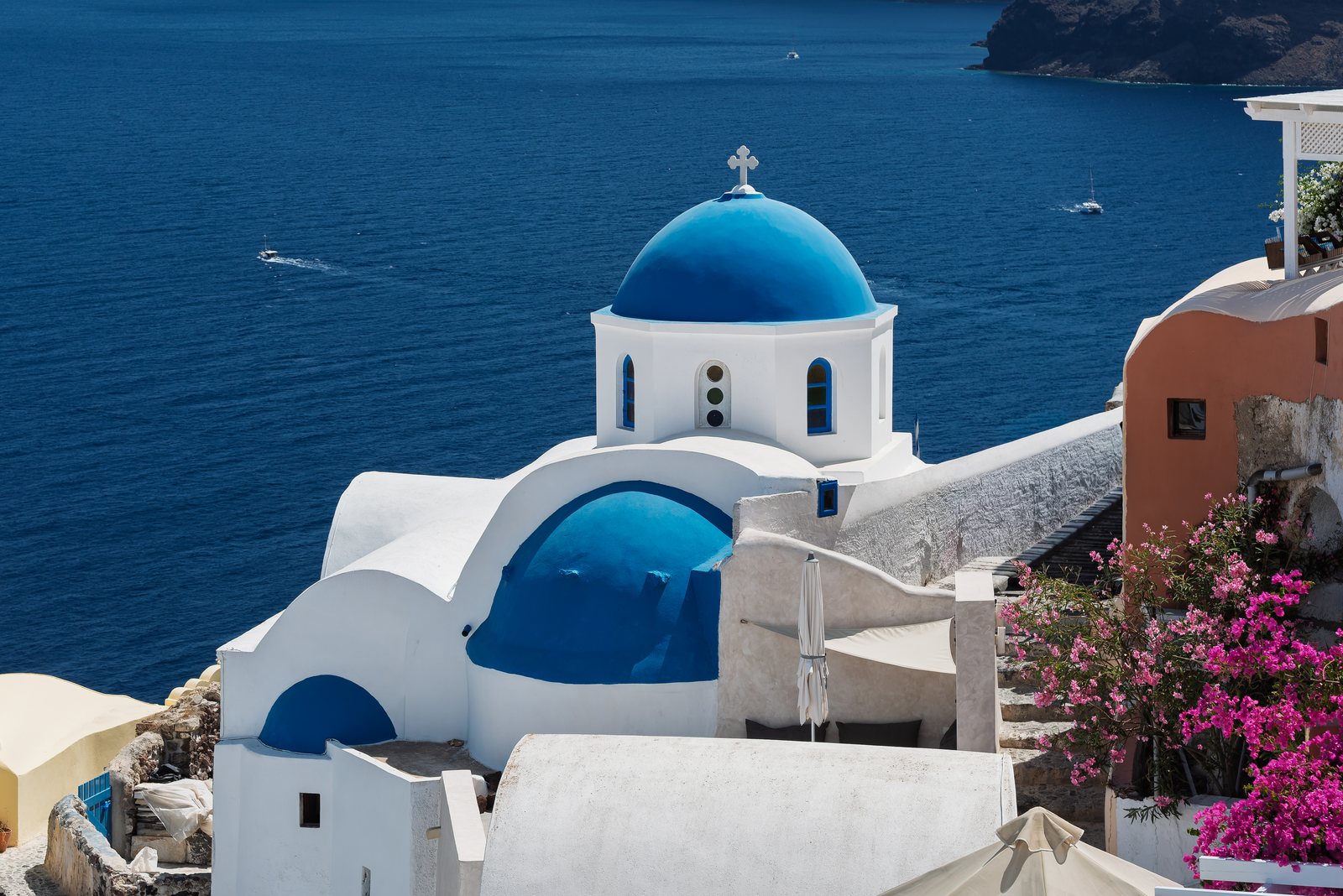
Santorini is the island most people picture first. Its white villages cling to the rim of a flooded volcano crater, called a caldera. Blue church domes glow against the deep sea below. Mykonos answers with its row of white windmills on a ridge above the harbour. Farmers once used them to grind grain into flour.
A short boat ride from Mykonos lands visitors on Delos, an island sanctuary, or holy ground, where Greeks said Apollo was born. Marble lions still guard the dry bed of a sacred lake. Nobody lives on Delos today, so the ruins feel calm and open. Milos adds sea caves that pirates once used as hideouts.
On Naxos, the old town climbs a hill to a castle quarter. The Venetians, sea traders who ruled these islands for ages, built it. A giant marble doorway from an unfinished temple stands by the harbour. On Paros, the harbour of Naoussa mixes bobbing fishing boats, a ruined little fort and busy waterside tavernas.
What kind of Greece tours reach the Cyclades?
Private Greece tours with a driver-guide or skipper suit couples, families and friends who want their own pace. One price covers the whole party, so the cost per person drops as more people share the ride. Boat cruises with swim stops suit almost everyone, from honeymooners to teenagers who want to jump into blue water.
Full-day trips from Athens by coach link up with a fast ferry, giving mainland visitors a taste of island life without changing hotels. Snorkel and beginner scuba trips suit curious swimmers and confident kids. An instructor teaches the basics in shallow water first, then leads the way along rocky reefs full of small, bright fish.
Cooking classes and wine tastings suit food lovers and slower travelers. On Santorini, vines grow low in volcanic soil, twisted into baskets against the wind. Hosts show guests how to roll vine leaves, whip up dips and pair local cheese with crisp white wine. Solo travelers find them an easy way to meet people.
Which comforts are part of Greece tours in the Cyclades?
Food is a big part of the deal. Many boat days include lunch or a BBQ meal cooked on deck, often grilled chicken, fresh salad and warm pita. Drinks come with most cruises too, and some trips pour them without limit. That means no surprise bills and no need to carry a heavy cooler bag.
A licensed or local guide turns a pretty view into a story. Guides explain how the islands formed, why the houses are painted white and which bays stay calm when the wind picks up. Snorkel gear sits ready on board, so nobody needs to pack masks and fins from home. Families love that easy start.
Free time to explore matters just as much. Most island tours leave space to wander a village, shop for sandals or sit in a café. Wine tastings add a relaxed finish, and swim stops break up hot afternoons. Together, these extras let couples, families and friends enjoy the whole day without planning every single step.
What should you remember in the Cyclades?
The Meltemi, a strong summer wind, can make the sea choppy in the afternoon. Morning cruises often feel calmer, and anyone prone to seasickness should take a pill before boarding. Book sunset Greece tours well ahead, because the best spots fill fast. Sit near the middle of the boat for the smoothest ride.
Pack reef-safe sunscreen, a hat, sunglasses and a light layer for the breezy ride home. Water shoes help on pebble beaches and rocky swim spots. Bring a dry bag for phones and cash, plus a small towel. Drink plenty of water on Greece tours at sea, since island sun feels gentle right until it burns.
Why Book Greece Tours In The Classical Sites?
Greece tours make the classical sites easier, because a guide explains the ruins while transport links places that are hard to reach alone. Travelers see more and worry less. Many of these places sit in quiet countryside, far from train lines, so a planned route saves a great deal of time and stress.
What draws travelers to the classical sites?
Delphi sits on the slopes of Mount Parnassus, where the ancient Greeks believed the centre of the world lay. People travelled from far away to ask the oracle, a priestess who spoke for the god Apollo, about wars and marriages. Further north, the monasteries of Meteora perch on top of tall rock pillars.
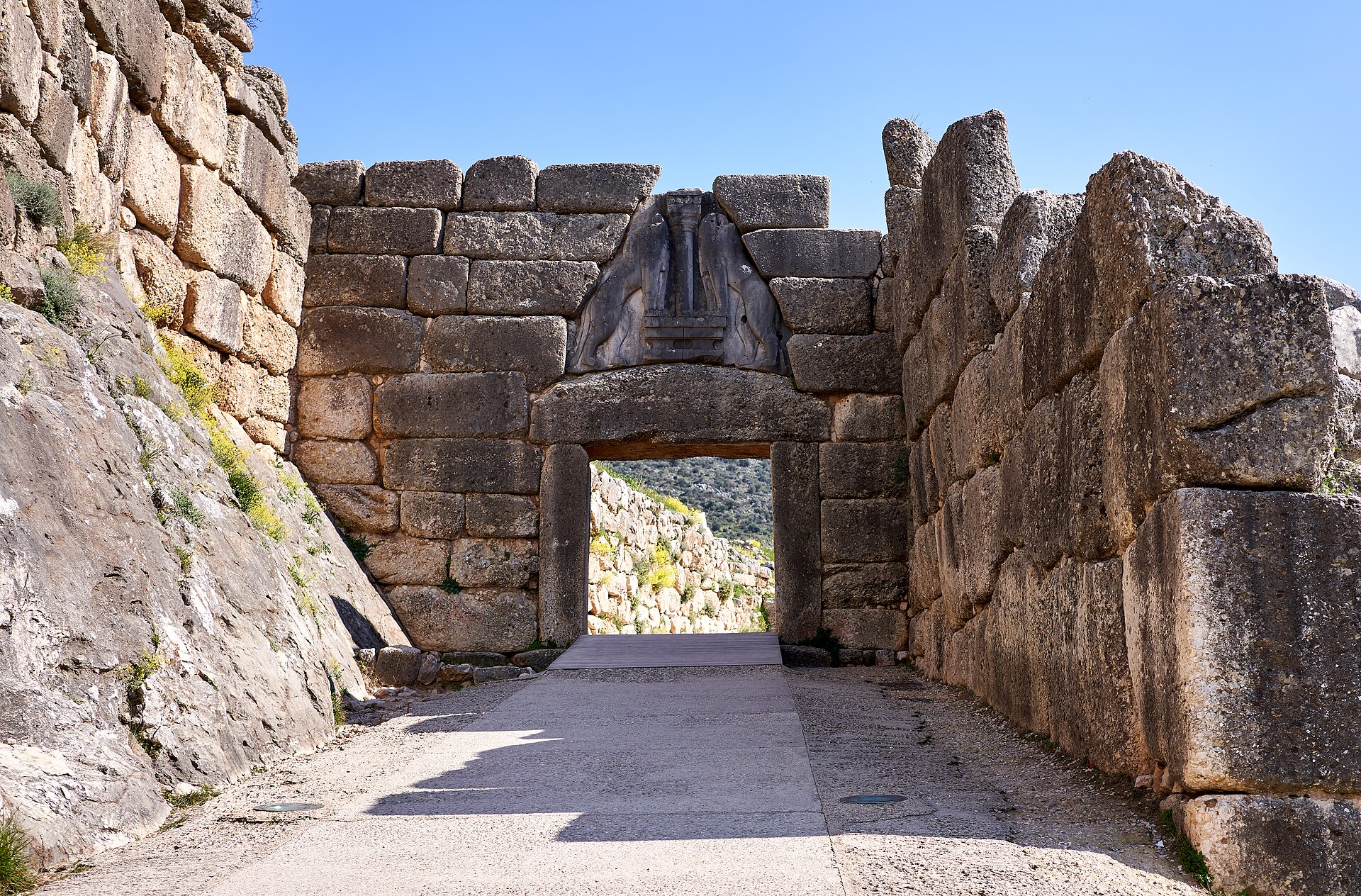
Monks once reached Meteora by rope ladders or nets pulled up by hand. In the Peloponnese, the southern mainland, Mycenae guards its hilltop citadel, or fortified royal town, behind the famous Lion Gate. Legend links it to King Agamemnon. Nearby Epidaurus has an ancient theatre where a whisper on stage reaches the top seats.
Nafplio, a harbour town with a castle above and a tiny fortress in the bay, once served as the capital of modern Greece. Ancient Olympia is where the Olympic Games began, and the Olympic flame is still lit there. The canal at Corinth slices through solid rock, with steep walls that tower over passing boats.
What kind of Greece tours reach the classical sites?
Small-group tours suit travelers who like company but dislike crowds. They often travel by minivan, so stops feel quick and questions get proper, patient answers. Full-day trips from Athens by coach suit budget-minded visitors and first-timers who want comfort. They cover Delphi, or Mycenae with Epidaurus and Nafplio, in one long but easy loop.
Guided walking tours suit curious minds who enjoy detail. An expert leads visitors through a site on foot and brings each ruin back to life with stories. Entry tickets suit independent travelers who want to explore at their own pace. They can linger at a favourite temple, then skip the parts that interest them less.
Multi-day Greece tours with hotel nights suit anyone who wants the whole classical circuit without driving. A common route links Delphi, Meteora, Olympia and the Peloponnese in a wide, scenic loop. These trips work well for couples, older travelers and families with teenagers, since luggage stays safely on the coach between stops.
Which comforts are part of Greece tours in the classical sites?
A licensed guide is the heart of any visit here. In Greece, guides at ancient sites must hold an official licence, which means long study and tough exams. They turn piles of stone into palaces, temples and theatres full of people. Without that voice, many ruins look like scattered rocks in a dry field.
Entry tickets come included on many classical tours, which removes a common headache. Ticket lines at the busiest sites can stretch long in summer, and tours often skip them. Travelers simply follow the guide through the gate and start exploring right away. A local guide also knows the quiet corners where photos turn out best.
On multi-day trips, hotel nights are part of the plan. Rooms are booked in towns close to the sites, such as Kalambaka below Meteora or the village of Delphi itself. This lets travelers reach each site early, before day visitors arrive. It also means no daily packing puzzles or long, tiring drives after dark.
What should you remember in the classical sites?
Most ancient sites offer little shade, so pick Greece tours that visit early in the morning or late in the afternoon. Wear sturdy shoes with good grip, because marble paths are worn smooth by countless feet. The monasteries at Meteora ask visitors to cover shoulders and knees, and women often wrap a skirt over trousers.
Bring a refillable water bottle, a sun hat and a light scarf for chilly mountain mornings. Snacks help on coach days, since cafés near some sites stay basic. Charge your phone the night before, because the views from Delphi and Meteora fill a camera roll fast. Listen closely when the guide sets meeting times.
How Do Greece Tours In Athens Work?
Greece tours in Athens usually start with a guided walk around the Acropolis, then add food, a museum or a coastal drive. Most outings begin near the hotel or a central meeting point. This keeps the busy city simple to enjoy, even for first-time visitors on a short stop between flights and island ferries.
What draws travelers to Athens?
The Acropolis rises above the city like a stone crown. On top stands the Parthenon, a great marble temple built for Athena, the goddess who gave Athens its name. Beside it, the Erechtheion shows off its porch of the Caryatids, statues of young women who hold up the roof instead of plain columns.
Below the hill, the Acropolis Museum keeps the original statues safe and lets visitors walk over glass floors above ancient ruins. It tops almost every list of must-see museums in Athens. Nearby, the Ancient Agora was the old market and meeting place, where the thinker Socrates once argued in the open air.
The Temple of Olympian Zeus keeps a cluster of giant columns standing in a park. Plaka and Monastiraki wrap the hill in old lanes, flea market stalls and busy tavernas. Lycabettus Hill offers the best city view at sunset. On the coast, the Temple of Poseidon at Cape Sounion crowns a cliff above the sea.
What kind of Greece tours reach Athens?
Private Greece tours with a driver-guide suit families with young kids, older travelers and anyone short on time. One price covers everyone in the car, and the route bends to their wishes. A popular choice pairs the city sights with a scenic drive down the coast road to Cape Sounion for sunset.
Boat cruises with swim stops leave from the coast south of the city. They suit couples and friends who want a sea day without catching a ferry. Private skippers also take small parties out for a quieter ride. Guided walking tours suit first-time visitors and history fans who want the Acropolis explained step by step.
Cooking classes and wine tastings suit food lovers, solo travelers and couples on a date night. Hosts often start at a local market, then teach classic dishes such as moussaka, a baked layer of aubergine and minced meat. The evening ends around a shared table, with good wine from nearby Greek vineyards.
Which comforts are part of Greece tours in Athens?
A licensed or local guide makes the Acropolis come alive. Guides know where to stand for the best photos and which stories bring the old temples back to life. They also steer visitors around the busiest paths, which matters on hot and crowded mornings. That calm, clear help makes a short visit feel complete.
Food and drink come with many Athens tours. Cooking classes end with a shared lunch of the dishes guests made. Coastal cruises often serve a BBQ meal on deck, and some include drinks without limit. Wine tastings add a relaxed note, with hosts explaining how island and mainland grapes differ in taste.
Swim stops are the secret treat of the city. Within easy reach of the centre, clear bays invite a cool dip after a morning among the ruins. These comforts matter because Athens in summer feels hot and busy. A meal, a drink and a swim turn a tiring day into a happy one.
What should you remember in Athens?
Reach the Acropolis right at opening time or in the late afternoon, when the heat eases and crowds thin. Wear flat shoes with grip, since the marble on the hill is polished smooth. Carry water, because the climb is exposed. Keep evenings free for Plaka, when the lanes glow and the air cools.
Pickpockets work crowded metro trains and the Monastiraki market, so keep bags zipped and in front. Pack a hat, sunscreen and a light layer for breezy sunset spots like Lycabettus Hill or Cape Sounion. Book cooking classes and sunset Greece tours ahead, since they fill fast. A small backpack keeps hands free for photos.
What Makes Greece Tours In Crete, Rhodes And Corfu Worth Booking?
Greece tours on Crete, Rhodes and Corfu are worth booking because they link far-apart sights, beaches and old towns in one smooth day. A guide, tickets and meals often come included. That spares visitors from renting a car, reading confusing signs and wrestling with narrow mountain roads alone. Everyone simply enjoys the view.
What draws travelers to Crete, Rhodes and Corfu?
On Crete, the palace of Knossos sits just outside Heraklion. It belonged to the Minoans, a people who ruled the island long before classical Athens. Legend says the palace hid the maze of the Minotaur, a monster with a man’s body and a bull’s head. Heraklion’s museum holds their painted pottery and bright wall art.
Chania, in the west of Crete, wraps around a Venetian port with a lighthouse, pastel houses and lively tavernas. Balos lagoon, best reached by boat, shines turquoise over pale pink sand. On Rhodes, the Street of the Knights is a stone lane where knights, warrior monks from the age of castles, once kept their inns.
On Rhodes, the acropolis of Lindos sets a temple of Athena high above a white village and a deep blue bay. Corfu shows off its Old and New Fortresses, which guarded the island for Venice. To the south, the Blue Caves of Zakynthos glow bright blue when sunlight hits the water inside.
What kind of Greece tours reach Crete, Rhodes and Corfu?
Private tours with a driver-guide or skipper suit families and friends who want flexible days. One price covers everyone, and the driver waits while kids nap or parents shop. Boat cruises with swim stops are the classic way to reach Balos, the Blue Caves or the quiet coves around Corfu. They suit nearly everyone.
Visitors who start in Athens often warm up with full-day trips from Athens by coach, then fly south to the islands. Guided walking tours suit history lovers in the old towns of Chania, Rhodes and Corfu. Entry tickets suit independent visitors who want to wander Knossos or Lindos at their own pace.
Cooking classes and wine tastings suit food lovers and couples. Cretan hosts teach dishes built on olive oil, wild greens and fresh cheese, often in a farmhouse kitchen. Wine tastings follow at small family vineyards, where travelers learn how island grapes cope with sun and sea wind. Solo visitors enjoy them as friendly social evenings.
Which comforts are part of Greece tours in Crete, Rhodes and Corfu?
Boat days on these islands often include lunch or a BBQ meal served on deck or at a beach taverna. Drinks come with the cruise, and some trips keep them flowing without limit. For families, that means no hunting for food on a remote beach. For friends, it turns a sea trip into a party.
A licensed or local guide matters at Knossos and Lindos, where the ruins make little sense without the story. Entry tickets are often bundled in, so visitors walk straight past the ticket queue. Local guides add island habits too, from Cretan dancing to Corfu’s love of cricket. That touch makes Greece tours feel personal.
Wine tastings show the softer side of island life, pairing local wines with olives, bread and cheese. Swim stops cool everyone down after a hot morning at a palace or castle. These comforts matter because island heat drains energy fast. Good food, a cool drink and a swim keep the day fun for every age.
What should you remember in Crete, Rhodes and Corfu?
These islands are large, so pick a base close to the sights that matter most. Start early on Knossos and Lindos days, since both get hot and busy by late morning. The climb up to Lindos is steep and sunny, so take it slowly and rest in the shade of the white lanes.
Pack swimwear under your clothes on boat days, plus a towel, sunscreen and a hat. Bring cash for small tavernas and village shops. Wear sandals with straps rather than flip-flops on rocky beaches. Check the sea forecast each morning, because wind can cancel boat trips to Balos or the Blue Caves at short notice.
Conclusion: Greece Tours, Planned Well
Greece tours work best when they match the traveler. Couples might pick a sunset cruise and a cooking class, while families favour private drivers and swim stops. Friends often mix boat days with guided ruins, and solo visitors enjoy walking tours where conversation comes easily. Every travel style finds plenty to love.
Good planning means booking popular trips ahead, leaving free days for rest and choosing comforts that suit the heat. For more planning ideas, the guide to Greece group tours explains booking steps that help any trip run smoothly. With a little care, Greece tours turn a busy holiday into lasting memories.
Frequently Asked Questions About Greece Tours
Can Greece tours be private?
Yes, most kinds of Greece tours come in a private version, from a driver-guide in Athens to a skipper on a Cycladic sailing boat. One price covers the whole party, so private trips make sense for families and friends sharing the cost. They also give couples a quiet, flexible day away from the crowds.
Can Greece tours mix islands and ancient sites?
Yes, and many travelers love that blend of beaches and history. Multi-day Greece tours can start with the Acropolis and Delphi, then end with island hopping in the Cyclades or Knossos on Crete. Fast ferries and short flights link the mainland with the islands, so the switch feels quick and easy.
Which month suits Greece tours best?
Late May, June and September suit most Greece tours, with warm seas, long sunny days and thinner crowds than high summer. July and August bring the hottest weather, the busiest sites and the fullest boats. Early starts, shady lunches and afternoon swims make those peak weeks far more pleasant for everyone.
Are Greece tours good for couples?
Very much so, since sunset cruises around Santorini, wine tastings on the islands and private drives to Cape Sounion all feel romantic and relaxed. Cooking classes on Greece tours also give couples a fun, shared task in a friendly kitchen. Each class then ends with a long, lazy meal and a glass of local wine.
Which season is quietest for Greece tours?
Winter is the quietest season, with calm ancient sites, peaceful villages and almost empty museums in Athens. Many island boat trips pause then, so late autumn and early spring offer a better balance. Mild weather, plenty of Greece tours still running and thinner crowds make those in-between months a smart choice.
How do you pick the right Greece tours?
Start with the sights that matter most, then pick Greece tours that suit the travelers, their pace and their budget. Check exactly what comes included, such as a licensed guide, entry tickets, meals, drinks or swim stops. Finally, read the meeting point, the timing and the cancellation rules closely before booking anything.
How do you manage tickets for Greece tours?
Most Greece tours include site entry in the price, but some leave tickets to each traveler, so checking the details first matters. A clear list of included tickets saves money and removes queue stress at the gate. It also shows where extra cash is needed on the day.
What tour prices cover
Guided day trips to big sites such as Delphi or Mycenae normally bundle the entry ticket with the guide. Walking tours in Athens are different, since some Greece tours cover the Acropolis ticket and others do not. The tour description or booking confirmation lists this clearly.
Island excursions work in a similar way. A boat day around Milos covers the boat and the crew, while a museum stop on Crete costs extra on some Greece tours. Reading the “included” and “not included” lines takes a minute and saves surprises.
A clear guide to choosing a Greek tour explains which details to compare. Entry tickets, transport, meals and guide time all belong on that list. Greece tours that spell out these details are easier to judge side by side.
Multi-day tours bring their own questions, because some packages include every site while others cover only the main stops. Smaller museums often stay optional extras, so asking the tour team for a full list before payment removes doubt about the final cost.
Buying site tickets without a tour
Travelers who mix guided days with free days can buy entry tickets online from the official state ticket website. The Acropolis now uses timed entry slots, so a ticket with a set time keeps the day on track.
A combined ticket in Athens covers the Acropolis and several other ancient sites. It suits travelers who also want to see the Ancient Agora, the old market and meeting place of the city. Many Greece tours of Athens stop there after the Acropolis.
Many sites give free or reduced entry to children and to students from the European Union. A passport or student card proves this at the gate. Simple Greek phrases for travelers, such as “please” and “thank you”, make these short chats friendlier.
Ticket queues at popular sites grow longer as the morning goes on, especially when cruise ships arrive. Travelers who reach the gate soon after opening, with tickets already on their phones, walk straight in. They also enjoy cooler air and fewer visitors around the ancient ruins.
How do you budget for Greece tours?
A good budget for Greece tours depends on the season, the length of each tour and exactly what the price includes. Summer costs more, while spring and autumn cost less for the same tour. Small choices, such as a shared tour instead of a private one, also change the total.
Where the money goes
The biggest costs on Greece tours are transportation, guides and entry tickets. Ferries between islands, coach seats and boat days add up fast in high season. Meals on full-day tours are sometimes included, but often they are not.
A private tour costs more than a shared one, because the guide and car serve only one party. Still, private tours in Greece suit families who want a slower pace or a flexible start time. Couples on a short holiday also appreciate that freedom.
Small extras such as water, snacks, tips for guides and drivers, and souvenirs sit outside the price of most Greece tours. Setting aside a small daily amount for these keeps the main budget safe.
Accommodation also shapes the budget, even on tours that do not include hotels. Staying near the meeting point saves taxi fares and stressful early starts, which matters most in Athens and on the busier islands. A central room often pays for itself through these smaller savings.
Ways to travel well for less
These budget tips for Greece visitors share simple ways to save without missing the best sights. A few habits make a big difference across a week of Greece tours.
- Travel in spring or autumn, when prices drop.
- Pick shared day trips over private ones.
- Use the combined ticket in Athens.
- Book ferries early for better seats and fares.
- Eat lunch where locals eat, away from main squares.
Packing light also saves money, because a small bag avoids extra luggage fees on some flights and makes ferry days easier. This guide to packing light for island tours lists what to bring and what to leave at home.
Local buses are another smart way to stretch the budget between guided days. They link many beaches, villages and smaller sites for much less than a taxi or private transfer. Checking the timetable the night before helps travelers avoid long waits in the summer heat.
How early should you book Greece tours?
Book popular Greece tours several weeks ahead for summer trips, and even earlier for sunset cruises or early Acropolis entry slots. In spring and autumn, a shorter booking window works well. Even then, the best times of day still sell out first, so early planning pays off.
Booking for the busy summer months
Summer brings the largest crowds to Santorini, Mykonos and Athens. Morning Greece tours of the Acropolis fill fast, since the early hours are cooler and calmer. Sunset trips on Santorini also sell out well before the day.
Ferries need the same care, since popular routes between the Cyclades fill up on weekends and holidays. These ferry booking tips explain how to find good routes and seats for island Greece tours.
Families need to plan even earlier. Parents and children need seats together on the same boat and the same tour, which is harder in peak weeks. Booking all the main Greece tours at once keeps everyone together.
Language matters as well, because guides who speak languages other than English lead fewer dates, so those spots fill first. Travelers who want a tour in their own language gain the most from booking early in the planning stage.
Leaving room for change
Weather in Greece can change plans, especially at sea. Strong summer winds, called the meltemi, sometimes cancel small boat trips or delay ferries. Greece tours with free cancellation give room to move a day without losing money.
Experienced travelers leave one free day near the end of the trip, so a cancelled boat day simply moves to that spare day. This guide to ferry travel explains what happens when a ferry runs late.
Health and safety plans belong in this step too. Travel insurance, copies of passports and a note of emergency numbers take little time to set up. These safety tips for Greece cover the basics for all Greece tours.
Flight times deserve a careful look before any booking is made. Planning a big boat day or a long site visit on the last day before a flight adds needless stress. A quiet final day close to the airport keeps the end of the holiday relaxed.
How do couples pick Greece tours?
Couples pick Greece tours by matching their pace and interests, such as quiet sunsets, local food, sandy beaches or ancient sites. Shorter tours with free evenings give time alone after the guided part. Many couples combine one or two guided days with relaxing beach days.
Matching tours to shared interests
A simple conversation before booking helps, since one partner often loves old ruins while the other wants sea and sun. Knossos was the palace of the ancient Minoan kings on Crete. Greece tours that pair a guided morning there with a free beach afternoon work for both.
Food tours, wine tastings on Santorini, cooking classes on Crete and sunset boat trips suit couples who enjoy slow, unhurried moments. This guide to choosing an escorted tour itinerary shows how to compare routes on longer Greece tours.
Respect for local customs makes every visit smoother. Churches and monasteries, such as those at Meteora, ask for covered shoulders and knees. This guide to polite travel in Greece explains dress codes, greetings and tipping.
Private guides suit couples who want to go deeper into one topic, such as ancient myths or Greek wine. The guide adjusts the pace and the stops to their questions. Shared tours suit couples who enjoy meeting other travelers and swapping tips over lunch.
Couples traveling with children
Couples with young children need Greece tours with short walks, shade and breaks. Half-day trips, boat days with swim stops and easy town walks keep younger travelers happy. Long coach days to distant sites quickly tire children out.
This guide to family-friendly travel in Greece lists the best places and the easiest ways to plan. Choosing one base for several nights also cuts down on packing and travel time between Greece tours.
Older children enjoy tours with action and stories, such as snorkeling trips, kayak days or visits to ancient theaters where actors once performed plays. Letting them help choose one activity keeps them interested. It also turns the trip into a shared family project rather than a list of adult plans.
Whatever the mix, the best Greece tours leave space to rest. Only state-licensed guides may lead tours inside Greek archaeological sites and museums, and they bring the old stories to life. Free time afterward lets each traveler enjoy the place at their own pace.
Which Greece tours suit adventurous travelers?
Adventurous travelers enjoy Greece tours built around hiking, sea kayaking, climbing and sailing, where the landscape becomes the main sight of the day. Mountains, gorges and rocky coasts give the country more outdoor choice than many visitors expect. These adventure activities in Greece cover the best options by land, sea and air.
Hiking trails and deep gorges
The Samaria Gorge on Crete is a classic full-day walk through a deep, narrow valley that ends at the sea. Guided Greece tours handle the early bus and the boat ride back, so walkers simply enjoy the trail.
The mainland has wild trails too. In the Zagori region, stone bridges and old villages line the paths around the Vikos Gorge. Mount Olympus, the home of the gods in ancient Greek myths, draws hikers who want high peaks and wide views.
This guide to the top hiking trails in Greece compares routes by length and difficulty. Easier coastal paths on many islands suit families and first-time hikers, while mountain Greece tours suit fit walkers with good boots.
Summer heat shapes every hiking plan. Good guides start early, carry extra water and know when the weather turns. Spring and autumn bring cooler air, green hills and wildflowers, which makes them the most comfortable seasons for long walks.
Adventures on the sea
Sea kayaking Greece tours explore caves, arches and hidden coves that larger boats cannot reach. Milos is a favourite, with white rock shapes and clear water along its coast. Kayak guides teach basic strokes first, so beginners join in safely.
Windsurfing and kitesurfing suit the windy beaches of Paros and Naxos, where steady summer winds fill the sails. Local schools rent gear and give lessons to all levels. Snorkeling trips are gentler, and they show fish, sea grass and rocky reefs close to shore.
Sailing adds a different kind of thrill. A skippered boat moves between quiet bays, stops for swims and anchors near small harbour towns at night. This clear guide to sailing holidays in Greece explains how these trips work and who they suit.
Families with older children can join many water Greece tours too. Calm bays suit first paddles, and guides choose sheltered routes when the wind picks up. Life jackets, short breaks and a swim stop keep the day fun and safe for younger paddlers.
Which Greece tours suit laid-back travelers?
Laid-back travelers enjoy Greece tours with slow mornings, short guided visits, long lunches and plenty of free time on quiet beaches. These tours trade a packed schedule for a gentle daily rhythm. They suit couples, families with small children and anyone who wants real rest.
Beaches, boats and easy days
Relaxed Greece tours often center on the sea. A half-day boat trip with swim stops, a picnic on the deck and a slow ride home fills a day without any rush. Guests return rested rather than tired.
Beach choice matters for this travel style. Some beaches have sunbeds, shade and tavernas close by, while others stay wild and quiet. This guide to the top beaches in Greece helps match each beach to the kind of day travelers want.
Laid-back Greece tours also favour fewer bases and longer stays. Spending several nights on one island cuts out packing and early ferries. Day trips from that base then feel easy, since every evening ends in the same comfortable room.
Old towns reward slow wandering. Laid-back Greece tours often leave free time in Chania or Nafplio, two charming harbour towns. Their narrow lanes, small shops and seaside cafés invite visitors to sit and watch daily life go by.
Sunsets and the calm seasons
Evening is the highlight of many slow days. Gentle sunset Greece tours on Santorini, Milos or the Peloponnese coast end the day with soft light over the water. This list of the best sunset spots in Greece points to calm places beyond the crowded viewpoints.
Timing changes the whole feel of a relaxed trip. Late spring and early autumn bring warm sea water, fewer crowds and lower prices on many Greece tours. This guide to the best time to visit Greece compares weather, crowds and local life month by month.
Short tours suit this style best. A short food walk, a morning at a museum or a brief guided visit to an ancient site gives real insight without draining energy. Afternoons then stay free for naps, swims and long, lazy meals.
Which Greece tours suit curious travelers?
Curious travelers enjoy Greece tours that explain the stories behind ancient ruins, village customs and local food, led by guides who welcome questions. Every site in Greece has layers of history, myth and daily life. Good guides peel back those layers in plain, lively words.
History and myth on the ground
Only state-licensed guides may lead tours inside Greek archaeological sites and museums. These guides study history and archaeology in depth, so their Greece tours mix solid facts with vivid stories.
Delphi was home to the oracle, a priestess people visited to ask the gods about the future. Olympia hosted the ancient Olympic Games, held to honour Zeus, the king of the gods. Greece tours to these sites tell each story on the very spot where it happened.
Museums add the finishing details. The Acropolis Museum in Athens displays statues and carvings from the hill above it. The museum at Heraklion on Crete holds treasures from the Minoans, an early people who built great palaces long before classical Athens.
Curious travelers ask a lot of questions, so smaller tours suit them well. A smaller tour leaves more time to stop, look closely and talk with the guide. Private guides take this further and follow each visitor’s interests from one stop to the next.
Traditions, villages and daily life
History in Greece lives on in daily habits, not only in ruins. Village Greece tours visit olive presses, bakeries with wood ovens and small churches still used by local families. This guide on how to experience local Greek traditions explains the customs travelers meet along the way.
Some curious visitors prefer to explore on their own between guided days. Buses, ferries and trains reach many towns and sites at a low cost. This practical guide to exploring Greece by public transport shows how to plan these independent days.
Language opens doors as well. A few Greek words, such as “kalimera” for good morning, earn warm smiles in villages. Curious travelers on Greece tours often find that locals share family stories, recipes and tips once they try a little Greek.
Craft workshops reveal another side of local life. Travelers watch potters shape clay, weavers work on looms and beekeepers collect thyme honey. Short hands-on sessions let them try the skills too, which turns a simple visit into a lasting memory.
Which Greece tours suit sociable travelers?
Sociable travelers enjoy Greece tours that bring people together, such as food walks, cooking classes, shared sailing days and evenings at local festivals. These tours make it easy to meet other travelers and local hosts. Solo travelers in particular find them a warm way to start conversations.
Food, wine and shared tables
Meals in Greece are made for sharing, with many plates placed in the middle of the table. Food Greece tours in Athens, Thessaloniki or Chania let people taste small dishes side by side. This guide to Greek food to try on tour lists what to order and where to find it.
Cooking classes add laughter and teamwork to the day. Guests roll pastry, stuff vine leaves and then sit down together to eat what they made. Wine tastings on Santorini and Crete offer the same easy mix of learning and chatting.
Shared boat days are another friendly choice. Strangers swim from the same deck, share lunch under the awning and swap travel tips on the way back. Many solo travelers leave these Greece tours with new friends and plans to meet again.
Festivals and seasonal events
Local festivals turn any trip into a party. Summer village feasts, called panigyria, honour a local saint with live music, dancing and long tables of food. Visitors are welcome, and locals often pull them into the circle dance.
Greek Easter is the biggest holiday of the year, with candle-lit midnight services and family feasts. Carnival brings parades and costumes to Patras and many other towns. This seasonal guide to Greek festivals to experience explains the music, food and customs of each one.
Greece tours timed with local events show travelers a lively side of the country. This guide to seasonal events in Greece helps match travel dates to the right celebrations.
- Easter services and feasts in spring
- Village saint’s day feasts in summer
- Wine harvest events in late summer
- Carnival parades before Lent
- Open-air theater in ancient venues
Respect keeps these events joyful for everyone. Dressing modestly at church services, asking before taking photos and joining the dance when invited all earn smiles. Sociable Greece tours work best when travelers treat locals as hosts, not as part of the show.
Which places do Greece tours visit?
Greece tours visit Cycladic islands, famous ancient sites on the mainland and large green islands, each with its own scenery, food and pace. A first trip often mixes history on the mainland with lazy days by the sea. The places below appear on many popular routes.
Islands
The Cyclades are the classic island chain in the Aegean Sea, known for white houses, blue domes and windy summer days. Ferries link them in short hops, so Greece tours often combine two or three in one trip. Each island has its own mood.
- Santorini: cliff-top white villages above a sunken volcano crater
- Mykonos: old windmills, colourful sunsets and lively beach clubs
- Paros: relaxed fishing villages, sandy beaches and famous white marble
- Milos: colourful fishing houses and the white, moon-like rocks of Sarakiniko
- Ios: golden beaches, a hilltop old town and lively nights
Mainland
The mainland holds the great ancient sites, several of them within a day trip of Athens. Greece tours here mix ruins, museums and mountain roads, with stops in small towns for lunch. Licensed guides explain what each place meant to the ancient Greeks.
- Athens: the Acropolis hill, the Parthenon temple and lively old neighbourhoods
- Meteora: monasteries built on top of giant rock towers
- Olympia: the birthplace of the ancient Olympic Games and Zeus’s temple
- Mycenae: the Lion Gate and the city of legendary King Agamemnon
- Epidaurus: an ancient theater famous for its clear, natural sound
Large islands
Larger islands offer more variety in one place, from mountains and gorges to long beaches and old towns. Greece tours on these islands often use one base and a mix of day trips. Crete and Rhodes lie far to the south, while Kefalonia and Zakynthos sit in the Ionian Sea.
- Crete: the Minoan palace of Knossos, deep gorges and long beaches
- Rhodes: a walled medieval old town built by knights
- Kefalonia: Myrtos Beach, sea caves and green mountain views
- Zakynthos: Navagio Beach with its shipwreck and bright blue sea caves
How do you plan Greece tours over ten days?
Plan Greece tours over ten days by starting in Athens, adding a few mainland sites, and ending with a short island-hopping stretch. This order keeps travel time low and saves the beach days for the end. It also leaves a spare day for weather or rest.
Start in Athens
Athens makes the natural first stop, since it is the main arrival point for flights. Two or three days give enough time for the Acropolis, the Acropolis Museum and the old streets of Plaka. Many Greece tours start with an early guided walk on the hill to beat the heat.
The Ancient Agora, the old market and meeting place, shows where daily life in the ancient city happened. A slow evening at a rooftop café with a view of the lit-up Parthenon makes a perfect first night. Light food and an early bed help travelers recover from the flight.
Food is part of the Athens experience too. Small tavernas in Psyri and Koukaki serve grilled meats, fresh salads and warm pies at relaxed prices. Trying a few dishes early helps travelers know what to order later in the trip.
A half-day trip to Cape Sounion fits well near the end of the Athens stay. The Temple of Poseidon, god of the sea, stands on a cliff above the water there. Sunset trips to the cape follow the coast road and return to the city after dark.
A short guide to a seven-day Athens, Santorini and Mykonos itinerary shows how a shorter trip covers the highlights. A ten-day plan simply adds more breathing room and a few mainland stops to that idea.
Mainland sites in the middle
The middle days suit the classical sites. Delphi, where the ancient oracle once gave advice from the gods, sits on a mountain slope above an olive valley. Many Greece tours pair Delphi with Meteora, where monks built monasteries on top of giant rock towers.
The Peloponnese, the large peninsula south-west of Athens, offers a different loop. Greece tours on this route cross the Corinth Canal, then visit Mycenae, Epidaurus and the pretty seaside town of Nafplio. Olympia fits at the end for travelers who want to see the home of the ancient Games.
These days involve long drives, so a guided tour or a hired driver saves energy. Travelers who prefer full freedom can rent a car or use buses instead. This guide to self-guided itinerary planning explains how to link the sites without a tour.
Choosing one mainland loop works better than trying to see everything. Delphi and Meteora suit fans of mountains and monasteries, while the Peloponnese suits lovers of myths and seaside towns. Either choice leaves enough energy for the islands that follow.
Overnight stops make the mainland days easier. Kalambaka, the small town below Meteora, makes a calm base with views of the rock towers at dawn. Nafplio works the same way for the Peloponnese, with a harbour, a hilltop castle and many small restaurants.
Ending on the islands
The last part of the trip belongs to the sea. Ferries leave the ports of Athens for the Cyclades every day in summer, and fast boats cut the travel time. Greece tours that end on the islands give travelers a relaxed finish after busy sightseeing days.
Two islands work better than three in a short stretch. Santorini pairs well with Paros or Naxos, and Mykonos pairs well with nearby Tinos or Syros. This guide to Greek island hopping explains routes, ferry types and how long to stay on each island.
Each island suits a slightly different style of traveler. Santorini suits couples and photographers, Paros suits families and easygoing friends, and Naxos suits walkers and food lovers. Picking islands by mood, not fame, leads to a happier final stretch.
Packing light makes this stretch far easier. Ferries have tight luggage areas, and island lanes often climb in steps rather than smooth slopes. A small rolling case or backpack keeps every transfer quick.
Flights home need careful timing. Some islands have airports with summer flights abroad, while others require a ferry back to Athens first. Leaving a free final day near the airport removes stress if a ferry runs late on the way back.
Island days stay simple, with a boat trip, a village walk, a sunset and a long dinner. This slower pace balances the busy start in Athens. It also sends travelers home rested instead of worn out.
More questions about Greece tours
Travelers often ask the same practical questions before booking Greece tours. The short answers below cover shopping, clothing, water, free time, shoes and hotel pickups.
Do Greece tours give time for shopping?
Most Greece tours leave short breaks for shopping in old towns, near harbours or at gift shops, but long shopping stops are rare. Travelers who love markets do best with a free afternoon in Plaka, Chania or the Old Town of Rhodes. Olive oil soap, leather sandals and local honey make light, useful gifts.
What should you wear on Greece tours?
Light, breathable clothes, a sun hat and sunglasses suit most Greece tours, with a scarf or cover-up for visits to churches and monasteries. Monasteries such as those at Meteora ask visitors to cover shoulders and knees. A light jacket helps on boat trips and on spring or autumn evenings.
Do Greece tours provide water?
Many Greece tours hand out bottled water on buses and boats, but carrying a refillable bottle is still wise on hot days. Large sites such as the Acropolis offer little shade, and summer heat builds fast. The tour page states clearly whether water comes with the tour.
Can you add free time to Greece tours?
Free time fits easily into Greece tours by choosing half-day trips, private guides or multi-day tours with open afternoons built into the plan. Private tours change the pace on request, so a longer swim or café stop is simple to arrange. On shared tours, a free day between bookings gives the same freedom.
Which shoes suit Greece tours?
Comfortable walking shoes with good grip suit Greece tours best, since ancient sites have uneven stones and marble paths that turn slippery. The worn marble on the Acropolis is smooth and shiny in places. Sandals work for beach days, while hiking shoes suit gorge walks such as Samaria.
Can friends join Greece tours from different hotels?
Yes, friends in different hotels can join the same Greece tours, since many day trips offer pickups from several hotels or meeting points. Each person adds their own hotel name when booking. A shared meeting point also works well when one hotel sits outside the pickup area.
See more in Anagnostouapofraxeis:
- Πότε Πρέπει να Καλέσετε Επαγγελματία για Απόφραξη – Ο Πλήρης Οδηγός
- Απόφραξη Νεροχύτη Κουζίνας: Τι φταίει και πώς λύνεται
- Κακοσμία από την Αποχέτευση: Αίτια, Λύσεις και Πότε Χρειάζεται Επαγγελματική Απόφραξη
- Έλεγχος Αποχέτευσης Με Κάμερα: Πότε Χρειάζεται Και Τι Μπορεί Να Αποκαλύψει
- Χημικές Τουαλέτες Τιμές: Ο Απόλυτος Οδηγός Ενοικίασης Και Κόστους Σήμερα